- Have any questions?
- 911 12345 29
- info@asianneurocentre.com
Can Stroke Happen at a Young Age? – Dr. Navin Tiwari
बचपन में दौरे आना क्या यह गंभीर है? | Is Having Seizures in Childhood Serious?
October 5, 2026What Is Stroke?
A stroke is a serious medical condition that occurs when the blood supply to a part of the brain is interrupted or when a blood vessel in the brain ruptures. As a result, brain cells do not receive enough oxygen and nutrients, causing them to become damaged or die.
A stroke requires immediate medical attention because early diagnosis and treatment can significantly improve recovery and reduce the risk of long-term disability.
There are two main types of stroke: ischemic stroke, which occurs due to a blockage in a blood vessel supplying the brain, and hemorrhagic stroke, which occurs when a blood vessel bursts and causes bleeding in or around the brain. Recognizing the symptoms early is essential for receiving timely treatment.
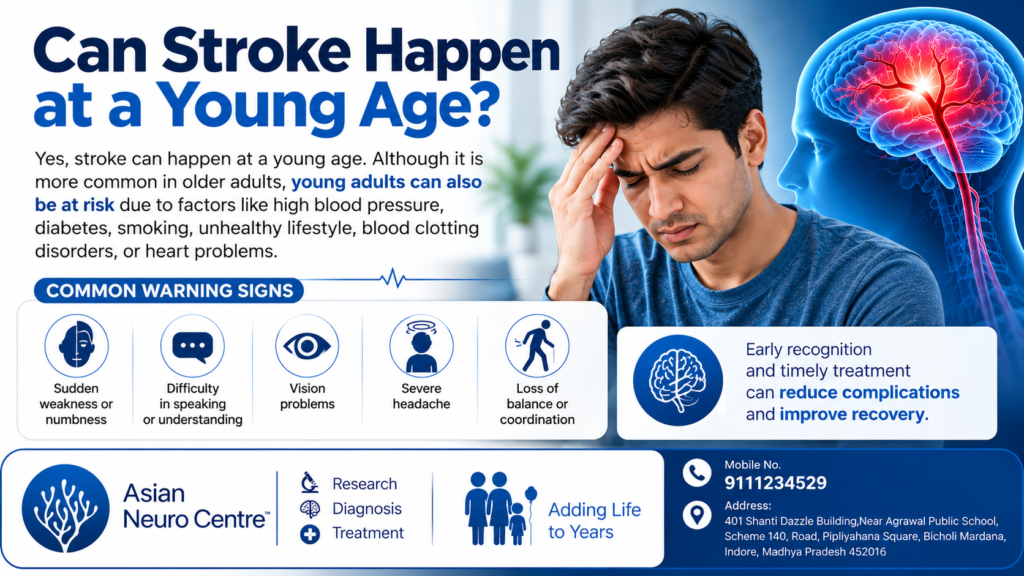
Common symptoms of a stroke include sudden weakness or numbness on one side of the body, difficulty speaking or understanding speech, blurred vision, dizziness, loss of balance, and a sudden, severe headache.
Can Stroke Happen at a Young Age?
Yes, a stroke can occur at any age, including in young adults and, less commonly, children. Although stroke is more common among older individuals, it is a misconception that young people are completely protected from this condition.
Several factors can increase the risk of stroke at a young age. These include:
- High Blood Pressure: Uncontrolled hypertension can damage blood vessels and increase the risk of stroke.
- Diabetes: High blood sugar levels can damage blood vessels and contribute to cardiovascular complications.
- Smoking and Tobacco use: These can damage blood vessels and increase the risk of blood clots.
- High Cholesterol: Elevated cholesterol levels can contribute to the narrowing of arteries.
- Heart Conditions: Certain heart rhythm disorders and structural abnormalities can increase the risk of blood clots reaching the brain.
- Obesity and Physical Inactivity: These can contribute to hypertension, diabetes, and other stroke risk factors.
- Blood Clotting Disorders: Some inherited or acquired conditions can increase the likelihood of clot formation.
- Drug Use: Stimulants such as cocaine and amphetamines can increase stroke risk.
Stroke Treatment in Indore
Stroke treatment depends on the type of stroke, its severity, the time since symptoms began, and the patient’s overall health. Treatment may involve clot-dissolving medication, mechanical thrombectomy for eligible patients with certain large-vessel blockages, or specialized management of bleeding in the brain. Rehabilitation, including physiotherapy, speech therapy, and occupational therapy, may also be necessary to support recovery.
At Asian Neuro Centre, patients receive specialized neurological evaluation and care for a wide range of brain and nerve-related conditions. The centre focuses on stroke management, epilepsy care, accurate diagnosis, and individualized treatment planning.
Dr. Navin Tiwari, Consultant Neurologist in Indore, is dedicated to providing patient-focused neurological care. With an emphasis on clinical assessment, timely intervention, and appropriate follow-up, he aims to help patients and their families understand their condition and make informed decisions about treatment.
Conclusion
A stroke can happen even at a young age, making awareness of its warning signs and risk factors essential for everyone. Maintaining a healthy lifestyle, controlling blood pressure and blood sugar, avoiding tobacco, and seeking timely medical advice can help reduce the risk of stroke.
For individuals seeking expert neurological care, Dr. Navin Tiwari at Asian Neuro Centre in Indore offers a patient-centred approach to the evaluation and management of neurological conditions. With its commitment to clinical excellence and comprehensive neurological care.
Asian Neuro Centre strives to support patients throughout diagnosis, treatment, and recovery. Recognizing stroke symptoms early and seeking emergency care can make a life-changing difference.
Frequently Asked Questions (FAQs)
Q.1. Can stroke happen at a young age?
Ans. Yes, a stroke can happen in young adults, including people under 45. Although stroke is more common in older adults, factors such as high blood pressure, diabetes, smoking, certain heart conditions, and blood-clotting disorders can increase the risk in younger people.
Q.2. What causes a stroke in young adults?
Ans. Stroke in young adults can be caused by high blood pressure, heart conditions, blood-clotting disorders, smoking, diabetes, and certain blood vessel problems. In some cases, the cause may not be immediately clear and requires medical evaluation.
Q.3. What are the early warning signs of a stroke in young people?
Ans. Warning signs include sudden weakness or numbness on one side of the body, difficulty speaking, facial drooping, sudden vision problems, dizziness, or loss of balance. A stroke is a medical emergency, even in young people.
Q.4. Can a healthy young person have a stroke?
Ans. Yes. Even young people who appear healthy can experience a stroke. Some underlying risk factors, such as heart rhythm problems, blood vessel abnormalities, or clotting disorders, may remain undiagnosed until an event occurs.
Q.5. Can stress cause a stroke at a young age?
Ans. Stress alone is not usually a direct cause of stroke. However, chronic stress may contribute to high blood pressure and unhealthy habits, which can increase cardiovascular risk. Sudden stroke symptoms should never be attributed to stress without urgent medical assessment.
Q.6. Can high blood pressure cause a stroke in young adults?
Ans. Yes. High blood pressure is an important risk factor for stroke at any age. It can damage blood vessels over time and increase the risk of blocked or ruptured blood vessels in the brain. Regular blood pressure checks and appropriate treatment can help reduce this risk.
Q.7. Can a stroke happen without warning?
Ans. Yes. Some strokes occur suddenly without obvious warning. However, symptoms such as sudden facial drooping, arm weakness, or speech difficulty may be the first indication. Even if symptoms disappear within minutes, urgent medical evaluation is necessary because they may indicate a transient ischemic attack (TIA).
Q.8. Can a stroke at a young age be cured?
Ans. Recovery depends on the type of stroke, the area of the brain affected, the severity, and how quickly treatment begins. Some people recover significantly, while others need rehabilitation. Early emergency treatment can improve the chances of a better outcome.
Q.9. What should you do if a young person shows signs of a stroke?
Ans. Call emergency medical services immediately if someone develops sudden facial drooping, arm weakness, speech difficulty, vision changes, or loss of balance. Note when the symptoms started. Do not wait for symptoms to improve or drive the person yourself if an ambulance is available.
Q.10. Which doctor should I consult for stroke symptoms in Indore?
Ans. Stroke symptoms require immediate emergency assessment at a hospital equipped to manage stroke. For neurological evaluation and follow-up care, patients can consult Dr. Navin Tiwari at Asian Neuro Centre, Indore.
Q.11. Where can I get stroke consultation in Indore?
Ans. For neurological consultation and stroke-related evaluation in Indore, you can contact Dr. Navin Tiwari at Asian Neuro Centre. If stroke symptoms are happening now, seek emergency care immediately rather than waiting for a clinic appointment.
Q.12. Can a healthy 20-year-old have a stroke?
Ans. Yes, even a healthy 20-year-old can have a stroke, although it is less common at this age. Possible causes include blood vessel abnormalities, heart conditions, blood-clotting disorders, and certain lifestyle-related risk factors. Sudden weakness, facial drooping, or difficulty speaking requires immediate emergency medical attention.
Q.13. Is it possible to recover from a stroke after 3 years?
Ans. Yes, recovery can still happen three years after a stroke. Improvement depends on the extent of brain injury, the person’s overall health, and rehabilitation. Physiotherapy, occupational therapy, and speech therapy may help improve specific abilities, even years after the stroke. A neurologist can assess ongoing symptoms and recommend appropriate rehabilitation.
Q.14. How to prevent stroke at home?
Ans. You can reduce your stroke risk by checking and controlling blood pressure, managing diabetes and cholesterol, avoiding smoking, exercising regularly, eating a balanced diet, and maintaining a healthy weight. Take prescribed medicines as directed and attend regular medical check-ups. These measures reduce risk but cannot prevent every stroke.
Q.15. What to do after a mini-stroke at home?
Ans. A mini-stroke, also called a transient ischemic attack (TIA), is a medical warning that a major stroke may follow. Seek emergency medical care immediately, even if the symptoms have disappeared. Do not wait at home or start aspirin or other medicines without medical advice. Call emergency services and note when the symptoms began.
